Building a Sustainable Future for California Public Transit
Overview
For decades, public transit has been asked to do more and more. Yet most policy recommendations in California and beyond center on making modest changes to service provision and fare policy to squeeze more out of existing resources. Much greater change and new resources will be needed to substantially increase ridership in order to realize California’s ambitious transportation, climate, and equity goals.
This project seeks to reimagine public transit as a central backbone of urban transportation systems and a service that can be relied on by most Californians. The research program has two key objectives: 1) identify sustainable funding and governance models for public transit in California in the near- and long-term and 2) help transit compete more effectively with other modes for street space and customers. Researchers will meet these objectives through five tracks of work: case studies of public transit funding, analyzing institutional design considerations for regional transit governance, exploring the congestion pricing program recently implemented in Manhattan for application elsewhere, evaluating impacts of various policies intended to increase ridership, and identifying transit service gaps across the state based on governance areas.
The project will investigate:
What funding models exist for transit in the medium- and long-term?
How can transit better compete for riders, street space, and public support?
How do workforce, manufacturing, technology, and governance shape transit’s future?
Key Research Activities
Investigate the role of different funding models on transit use and service through case study comparisons to identify where financial support and investment will have the most impact on ridership, mobility, and other outcomes.
Evaluate governance models for regional transit through literature reviews, analyzing interest groups, and assessing current transit governance in California’s four major metropolitan areas.
Examine implementation and outcomes of New York’s congestion pricing program by synthesizing current research and interviewing key actors to inform how similar programs could be translated to the California context.
Estimate the impacts of various policy levers on transit performance using data on various ridership, mode share, and transit performance elasticities.
Assess California’s transit service territories to identify current service gaps and inequities.
Initiative Leadership
Research Lead
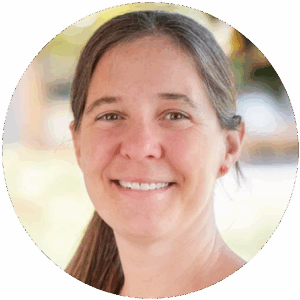
Kari Watkins
Professor, Civil & Environmental Engineering, UC Davis
Policy Lead
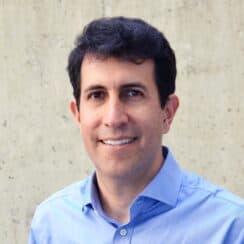
Jacob Wasserman
Research Program Manager, UCLA ITS
Research Team Members
John Gahbauer
Research Consultant, UCLA ITS
Michael Hyland
Professor, Civil & Environmental Engineering, UC Irvine
Juan Matute
Deputy Director, UCLA ITS
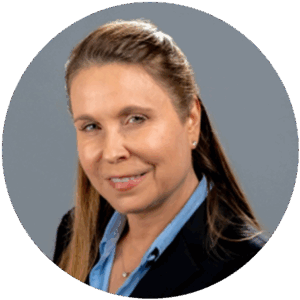
Susie Pike
Director, Transit Research Center, UC Davis
Daniel Rodriguez
Professor, City & Regional Planning, UC Berkeley
Susan Shaheen
Professor, Civil & Environmental Engineering, UC Berkeley
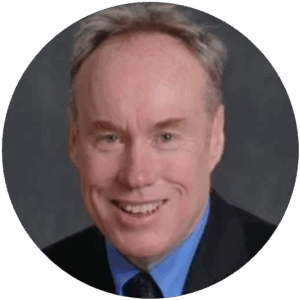
Brian D. Taylor
Professor, Urban Planning and Public Policy, UCLA
Working Group Members
Autumn Bernstein
Executive Director, Yolo Transportation District
Brent Boyd
Director of Planning and Scheduling, San Diego Metropolitan Transit System
Tilly Chang
Executive Director, San Francisco County Transportation Authority
Amar Azucena Cid
Deputy Director, Community Investments and Planning, Strategic Growth Council
James Corless
Executive Director, Sacramento Area Council of Governments
Mario Cruz
Branch Chief of Climate Investments, Sustainable Transportation and Communities Division, California Air Resources Board
Sarah Jepson
Chief Planning Officer, Planning Division, Southern California Association of Governments (SCAG)
Julie Kirshbaum
Director of Transportation, San Francisco Municipal Transportation Agency
Hunter Owens
Senior Advisor, Transit, California State Transportation Agency
Sebastian Petty
Senior Transportation Policy Advisor, San Francisco Bay Area Planning and Urban Research Association (SPUR)
Michael Pimentel
Executive Director, California Transit Association
David Sforza
Principal Consultant, Assembly Transportation Committee
Ray Sosa
Chief Planning Officer, LA Metro
Melissa White
Principal Consultant, Senate Transportation Committee
Jeff Wyly
acting Division Chief, Division of Mass Transportation, Caltrans
Keep up to date!
Join the UC ITS mailing list to stay informed about the latest transportation science and research opportunities!