Abstract
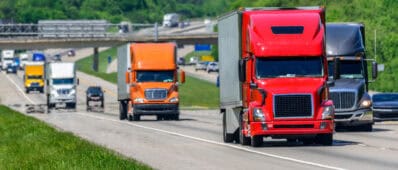
This study examines whether co-locating stations for light-duty zero emission vehicles (ZEVs) with stations for heavy-duty ZEVs would increase network coverage and improve resiliency to help California achieve its targets for widespread ZEV adoption. The study separately models of siting light-and heavy-duty at the same locations vs. separate locations for (i) electric charging stations and (ii) hydrogen refueling stations. The results indicate electric charging stations in California are being used at only 13% of total capacity. Building out and optimizing the locations of light-duty electric vehicle stations will results in greater demand met and resiliency than will co-locating these at heavy-duty charging stations. On the other hand, co-location of hydrogen refueling stations for light duty vehicles at sites for heavy-duty vehicle stations may increase demand met, network resiliency, and adoption rates of light-and heavy-duty fuel cell electric vehicles. These adoption rates are constrained by the current infrastructure.